
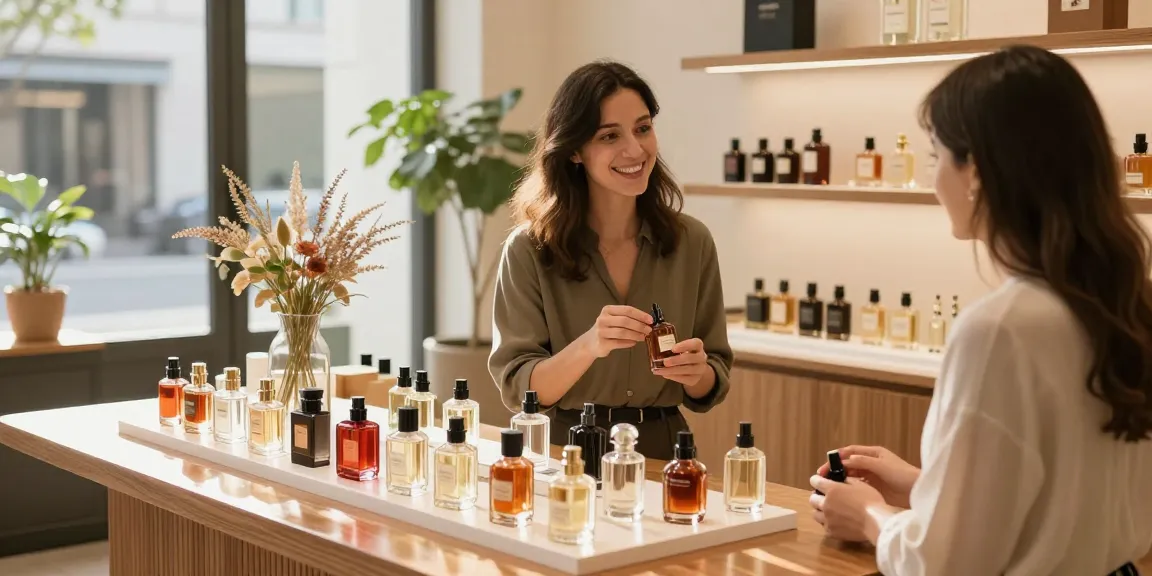
The Rising Popularity of Natural Perfumes
In recent years, the fragrance industry has witnessed a significant shift towards natural perfumes, as consumers increasingly favor products that align with their health and environmental values. These perfumes, made from natural ingredients, not only offer an array of captivating scents but also avoid the harsh chemicals commonly found in synthetic fragrances. This growing trend reflects a broader societal movement towards sustainability and wellness, making natural perfumes an appealing choice for conscious shoppers. When exploring options, Natural Perfumes provide comprehensive insights into these fragrant alternatives.
What Are Natural Perfumes?
Natural perfumes are crafted using essential oils, botanical extracts, and other natural substances, rather than synthetic chemicals. These fragrances rely on the inherent scents of flowers, fruits, spices, and wood, creating rich and complex olfactory experiences that resonate with many users. The absence of artificial additives means that natural perfumes often have a milder impact on the skin and are less likely to cause irritation for sensitive individuals.
Why Choose Natural Over Synthetic?
There are several reasons why consumers might choose natural perfumes over synthetic options:
- Health benefits: Natural perfumes are free from harmful chemicals typically found in synthetic fragrances, such as phthalates and parabens, which have been linked to various health issues.
- Environmental impact: Many natural perfumes are produced using sustainable practices and eco-friendly ingredients, reducing their overall carbon footprint.
- Unique scent profiles: Natural ingredients offer a diverse range of scents that can change and evolve throughout the day, creating a more dynamic fragrance experience.
Trends in the Natural Perfume Market for 2026
As we look ahead to 2026, several key trends in the natural perfume market are emerging:
- Personalization: Consumers are seeking customized fragrance experiences tailored to their individual preferences and body chemistry.
- Sustainable packaging: Brands are increasingly focusing on eco-friendly packaging solutions to accompany their natural products.
- Transparency: Shoppers are demanding more information about the sourcing of ingredients and the production processes used, leading brands to disclose their practices more openly.
Understanding the Cost of Natural Perfumes
When considering natural perfumes, understanding their cost can help consumers make informed purchasing decisions. Natural perfumes often come with a premium price tag, reflecting the quality of ingredients and ethical production practices.
Factors Affecting the Price of Natural Perfumes
Several factors influence the pricing of natural perfumes:
- Ingredient quality: High-quality natural ingredients, particularly rare or exotic botanicals, can significantly raise the cost of the final product.
- Production processes: More intricate production methods, such as cold pressing or distillation, require greater care and time, impacting the overall price.
- Brand positioning: Niche brands often charge premium prices to position themselves within the luxury market, while larger brands might offer more accessible pricing.
How to Compare Prices Effectively
When shopping for natural perfumes, consumers should consider the following tips for price comparison:
- Identify the volume: Prices can vary based on the size of the bottle; consider price per milliliter for a better comparison.
- Evaluate ingredient lists: Cheaper options may contain filler ingredients that dilute the quality and longevity of the fragrance.
- Look for discounts: Many brands offer promotional discounts or seasonal sales, which can affect pricing.
Price Variations Among Different Brands
Price variations among natural perfume brands can be significant. Here are examples of what consumers might expect to see:
- Mid-range brands may charge between $50-$100 for a standard 50ml bottle, often providing a good balance of quality ingredients and affordability.
- High-end brands might price their fragrances from $150 to over $300, emphasizing exclusivity and rare ingredients.
- Indie brands may offer handcrafted options ranging from $30 to $150, appealing to consumers looking for unique scent profiles.
Evaluating Quality in Natural Perfumes
Evaluating the quality of natural perfumes is crucial for ensuring an optimal experience. Here are the key aspects to consider:
Ingredients to Look For in Quality Natural Perfumes
Quality natural perfumes should feature a variety of essential oils, botanical extracts, and natural fixatives. Here are some prominent ingredients:
- Essential oils: The foundation of natural perfumes, these oils contribute the primary scent.
- Carrier oils: Often used to dilute essential oils, common options include jojoba oil, coconut oil, or grape seed oil.
- Natural fixatives: Ingredients like benzoin resin or vetiver can help stabilize fragrances and prolong their wear.
How Sourcing Affects Cost and Quality
The sourcing of ingredients plays a crucial role in both the quality and price of natural perfumes. Organic and sustainably sourced ingredients generally cost more due to the farming practices involved. Brands that prioritize fair trade and ethical sourcing often reflect these values in their pricing.
Customer Reviews: What They Reveal About Quality
Reviews from other consumers can provide insightful information about a perfume’s quality. Look for:
- Longevity: Customers often share how long the scent lasts throughout the day.
- Sillage: Feedback on how far the fragrance projects can indicate its overall strength.
- Skin compatibility: Reviews highlighting irritation or sensitivity issues can guide those with skin concerns.
Making Informed Purchasing Decisions
When it comes to buying natural perfumes, informed decisions can lead to greater satisfaction and less disappointment.
Where to Buy Authentic Natural Perfumes
Finding authentic natural perfumes can sometimes be challenging. Here are reliable sources:
- Brand websites: The most direct way to ensure authenticity.
- Specialty perfume shops: Stores that specialize in fragrances often curate high-quality selections.
- Health and wellness stores: Many health-focused shops stock natural perfumes that align with their values.
Tips for Sampling Before You Buy
Before committing to a full-size bottle, sampling is crucial. Consider these tips:
- Request samples: Many brands offer sample sizes; take advantage of these before making a larger purchase.
- Test on skin: Perfumes can smell different on skin compared to in the bottle due to body chemistry.
- Allow time: Give the fragrance time to develop as the top notes fade and the heart notes emerge.
Common Pitfalls to Avoid When Buying Natural Perfumes
Here are a few common pitfalls to watch out for:
- Overlooking ingredient transparency: Always check ingredient lists to ensure you’re getting a quality product.
- Relying solely on brand reputation: Even well-known brands can sometimes have subpar natural options.
- Ignoring return policies: Familiarize yourself with return policies in case the fragrance doesn’t meet your expectations.
Future Trends in the Natural Fragrance Industry
The future of the natural fragrance industry looks promising, with innovative trends on the horizon that could reshape consumer experiences.
Innovations to Watch in 2026 and Beyond
Several exciting innovations are poised to impact the natural perfume landscape:
- Advanced extraction techniques: New methods for extracting essential oils could enhance the quality and sustainability of fragrances.
- Biotechnology: Companies might leverage biotechnology to create synthetic versions of natural ingredients that are more sustainable and cost-effective.
- Wearable fragrance technology: Innovations in wearable tech could allow consumers to change fragrances throughout the day with a simple app.
The Impact of Eco-Friendly Practices on Pricing
As eco-friendly practices become more mainstream, their impact on pricing will continue to evolve. Consumers may find that brands that commit to sustainability and ethical sourcing could command higher prices as they allocate resources towards responsible practices.
Consumer Preferences Shaping the Future of Natural Perfumes
Consumer preferences are increasingly leaning towards scents that tell a story. Expect to see more brands focusing on the narratives behind their fragrances, including the origins of their ingredients and the cultural significance they carry. Fragrance customization could also expand, allowing individuals to create unique scent profiles that reflect their personalities.
What Are the Health Benefits of Natural Perfumes?
Natural perfumes not only enhance personal scent but can also offer health benefits:
- Less irritation: Natural ingredients are less likely to cause skin reactions compared to synthetic options.
- Aromatherapy benefits: Many essential oils have therapeutic properties that can promote relaxation or energize the mind.
- Improved mood: Natural scents can enhance mood and create positive emotional responses, contributing to overall well-being.

